The natural coastal defenses provided by mangrove forests reduce annual flooding significantly in critical hotspots around the world. Without mangroves, flood damages would increase by more than $65 billion annually, and 15 million more people would be flooded, according to a new study.
* This article was originally published here
Tuesday, March 10, 2020

Monday, March 9, 2020
Low blood pressure linked to high mortality in older adults
A large-scale study analyzed 415,980 electronic medical records of older adults in England. People aged 75 or over with low blood pressure (below 130/80) had increased mortality rates in the follow-up, compared to those with normal blood pressure. This was especially pronounced in 'frail' individuals, who had 62% increased risk of death during the 10-year follow-up.
* This article was originally published here
* This article was originally published here
Sunday, March 8, 2020
WHO Official Says Coronavirus Containment Remains Possible

China's experience shows how the virus can be stopped. But the World Health Organization's Dr. Bruce Aylward said other countries may be drawing the wrong lessons about how China achieved it.
(Image credit: Fabrice Coffrini/AFP via Getty Images)

* This article was originally published here
Saturday, March 7, 2020
One step closer to understanding the human brain
An international team of scientists has launched a comprehensive overview of all proteins expressed in the brain. The open-access database offers medical researchers an unprecedented resource to deepen their understanding of neurobiology and develop new, more effective therapies and diagnostics targeting psychiatric and neurological diseases.
* This article was originally published here
* This article was originally published here
Friday, March 6, 2020
Coronavirus Test Kits Are In Shortly Supply, Vice President Pence Says
The Trump administration promises to expand testing across the U.S. NPR's Rachel Martin talks to Lauren Sauer of the Johns Hopkins Office of Critical Event Preparedness and Response about the testing.

* This article was originally published here
Thursday, March 5, 2020
Warm Peanut Thai Noodle Salad
Loaded with wholesome goodness, this Warm Peanut Thai Noodle Salad is an unpretentious dish that is crazy easy to make, yet so generously tasty, it’ll just as easily become a family favorite!
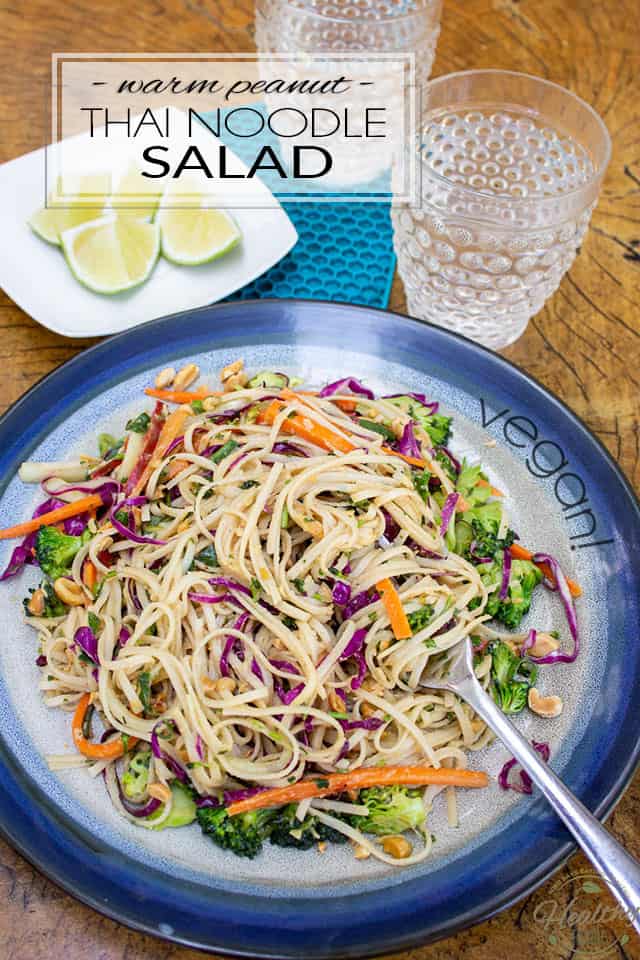
I can’t believe it’s already been 2 months since I landed in Costa Rica… where did time go, really? Apparently, even when life takes its time, it still goes crazy fast!
So far, this trip has been nothing short of amazing; my eyes got to witness more beauty than I ever thought possible, from sandy beaches to luscious jungles and amazing sunsets, not to mention the genuine smiles on people’s faces. But mostly, I’m learning to just go with the flow, to just live in the moment, to take life “as it is”. To say that it’s been easy every step of the way would be a lie, though. I’ve had – and still will have to – face many a challenge… cooking in a shared, minimalist kitchen being on of them!
(more…)The post Warm Peanut Thai Noodle Salad appeared first on The Healthy Foodie.
* This article was originally published here
Wednesday, March 4, 2020
Chest CT findings in coronavirus disease (COVID-19) pneumonia
New research on the novel coronavirus (COVID-19) is a multi-center study (n=101) of the relationship between chest CT findings and the clinical conditions of COVID-19 pneumonia -- which determined that most patients with the disease have ground-glass opacities (GGO) (86.1%) or mixed GGO and consolidation (64.4%) and vascular enlargement in the lesion (71.3%). CT involvement score can help evaluate the severity and extent of COVID-19 pneumonia.
* This article was originally published here
* This article was originally published here
Tuesday, March 3, 2020
What’s new with old drivers?

A front page story in the Boston Globe (No longer in the driver’s seat; for elders, giving up the keys comes with a cost: giving up their freedom) is one that could have been written any time over the past 30 years or so. In fact, the same story has been written many times, which makes me wonder why the Globe bothered publishing it again now.
It’s a 29-paragraph article, and only in paragraphs 26 and 27 do we see any reference to ride share apps. Even then, it’s done dismissively:
These days, technology offers car-less seniors more options, freeing those who can pay for rides from depending on neighbors. Unlike past generations, seniors relinquishing licenses are a mouse click away from delivery or ride-sharing services.
But in remote settings, ride-sharing services can be harder to access, and family and friends often pick up the slack.
That really misses the point. The line about “those who can pay for rides” implies that Uber and Lyft are luxury services. Actually, for people who don’t drive that many miles –which is the population we’re talking about– taking a ride share service as needed will be a lot cheaper than owning a car, paying for insurance, maintenance, parking, etc. So almost by definition, ride share services are affordable to seniors who would otherwise be driving.
Uber and Lyft are all over the place (there are not that many “remote settings” in the Boston area). But sure, I guess that affects some people.
I’ve been impressed that even non-tech savvy people, like my 80+ year old relative are able to summon Uber and Lyft successfully.
Cars themselves are getting easier and safer for the elderly to drive. Fully autonomous vehicles are still a few years in the future, but plenty of modern cars have features like adaptive cruise control, automatic emergency braking, pedestrian detection, lane keeping assistance, and rear cross traffic warning that help older drivers compensate for declines in physical and mental capacity.
Those get no mention in the article.
It’s also worth pointing out that elderly drivers are not that big of a threat to the public. They drive fewer miles, wear seatbelts, and are generally mellow behind the wheel. Inevitably, some die. Part of the reason is that older people are more frail, and more likely to die in an accident that a younger person would survive.
—
By healthcare business consultant David E. Williams, president of Health Business Group.
The post What’s new with old drivers? appeared first on Health Business Group.
* This article was originally published here
Monday, March 2, 2020
Are grandma, grandpa sleepy during the day? They may be at risk for diabetes, cancer, more
Older people who experience daytime sleepiness may be at risk of developing new medical conditions, including diabetes, cancer and high blood pressure.
* This article was originally published here
* This article was originally published here
Sunday, March 1, 2020
Oil Prices Plummet As Coronavirus Outbreak, Quarantines Soften China's Demand
China is the world's largest importer of oil, and COVID-19 has led to a sharp drop in its demand for crude. That means bad news for Saudi Arabia, which needs high oil prices.

* This article was originally published here
Subscribe to:
Posts (Atom)